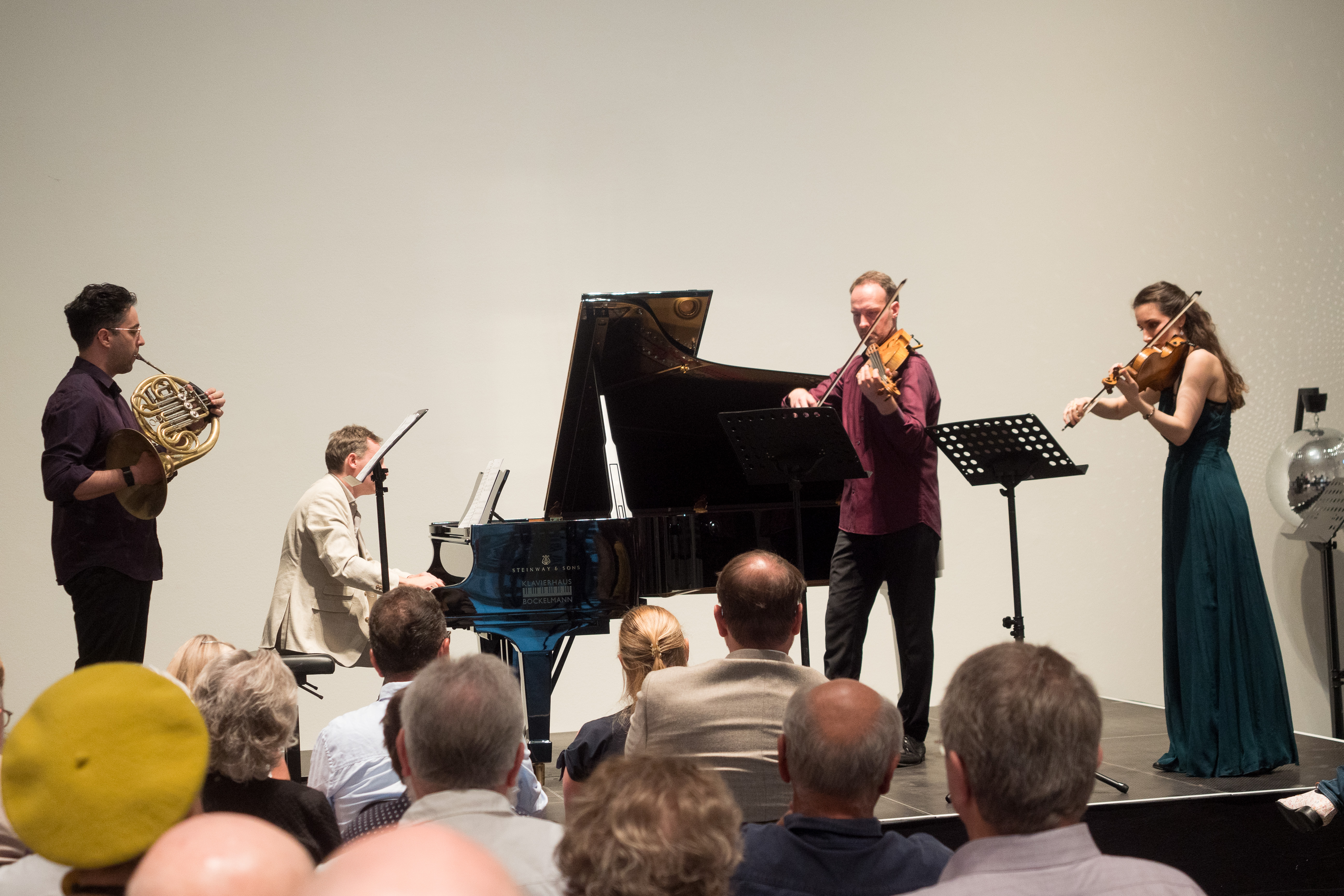
Four premieres as an impressive commitment to the music of our time
It is not uncommon for a concert to end with a premiere. That an evening presents four new works in front of an audience for the first time, on the other hand, it is. The composer’s portrait of the tidal concerts in the atrium of the Kunsthalle Emden offered exactly this extraordinary experience on Tuesday and thus became an impressive plea for the liveliness of contemporary composition. The focus was on the Hamburg-based composer, pianist and conductor Ettore Prandi, whose musical signature presented himself in great stylistic diversity and at the same time unmistakable independence.
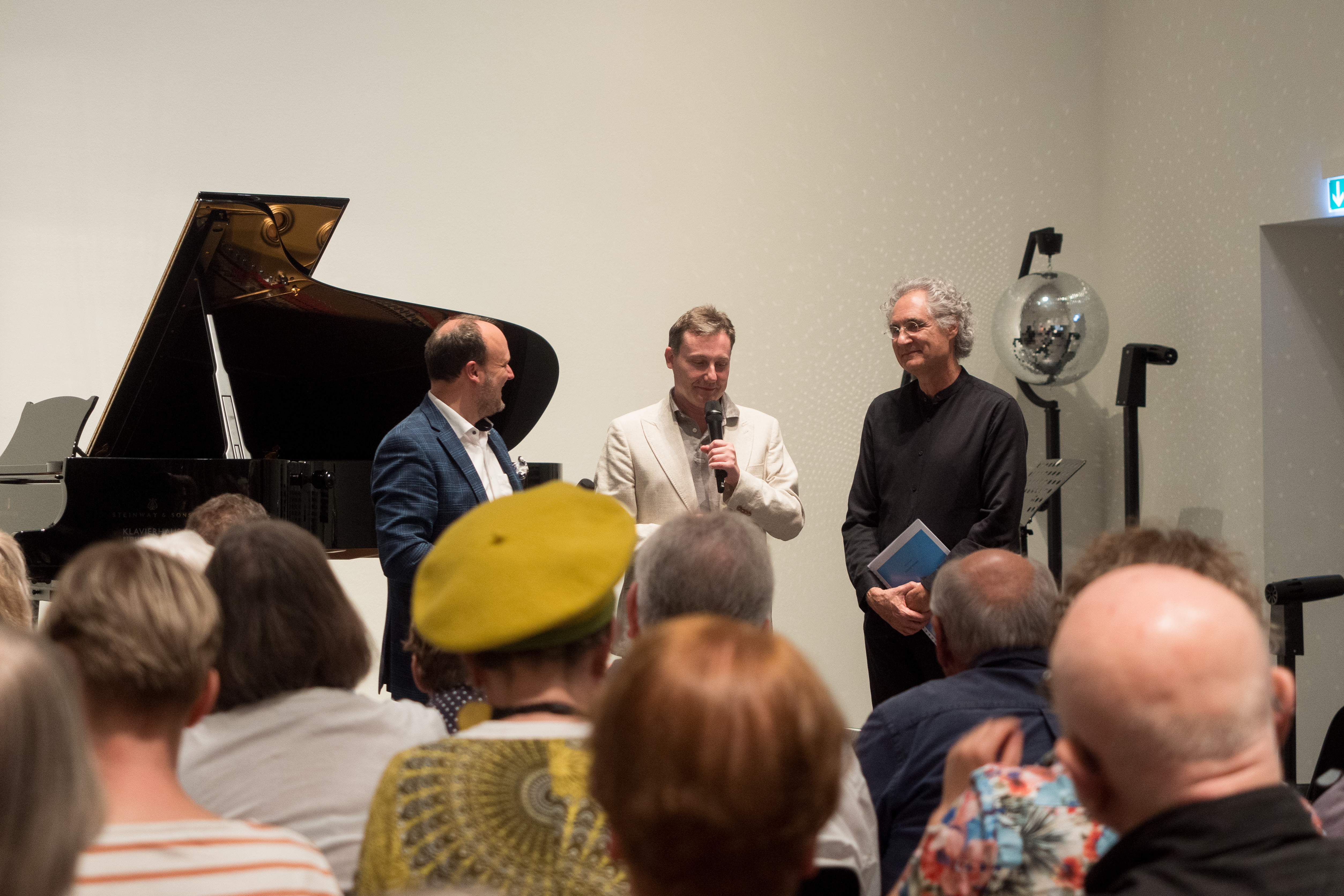
The composer’s portrait has been one of the fixed constants in the program of the Tide Concerts for years and regularly offers his audience the rare opportunity to experience contemporary music in direct dialogue with its creators. In conversation with the organizational director of the Gezeitenkonzerte, Raoul-Philip Schmidt, Ettore gave Prandi exciting insights into his compositional workshop. He spoke about formative encounters, the influence of Nordic sound worlds and various folk music traditions as well as about the creation of the works that sounded that evening. The moderation gave the compositions additional depth and made it understandable how personal experiences and cultural influences become music.
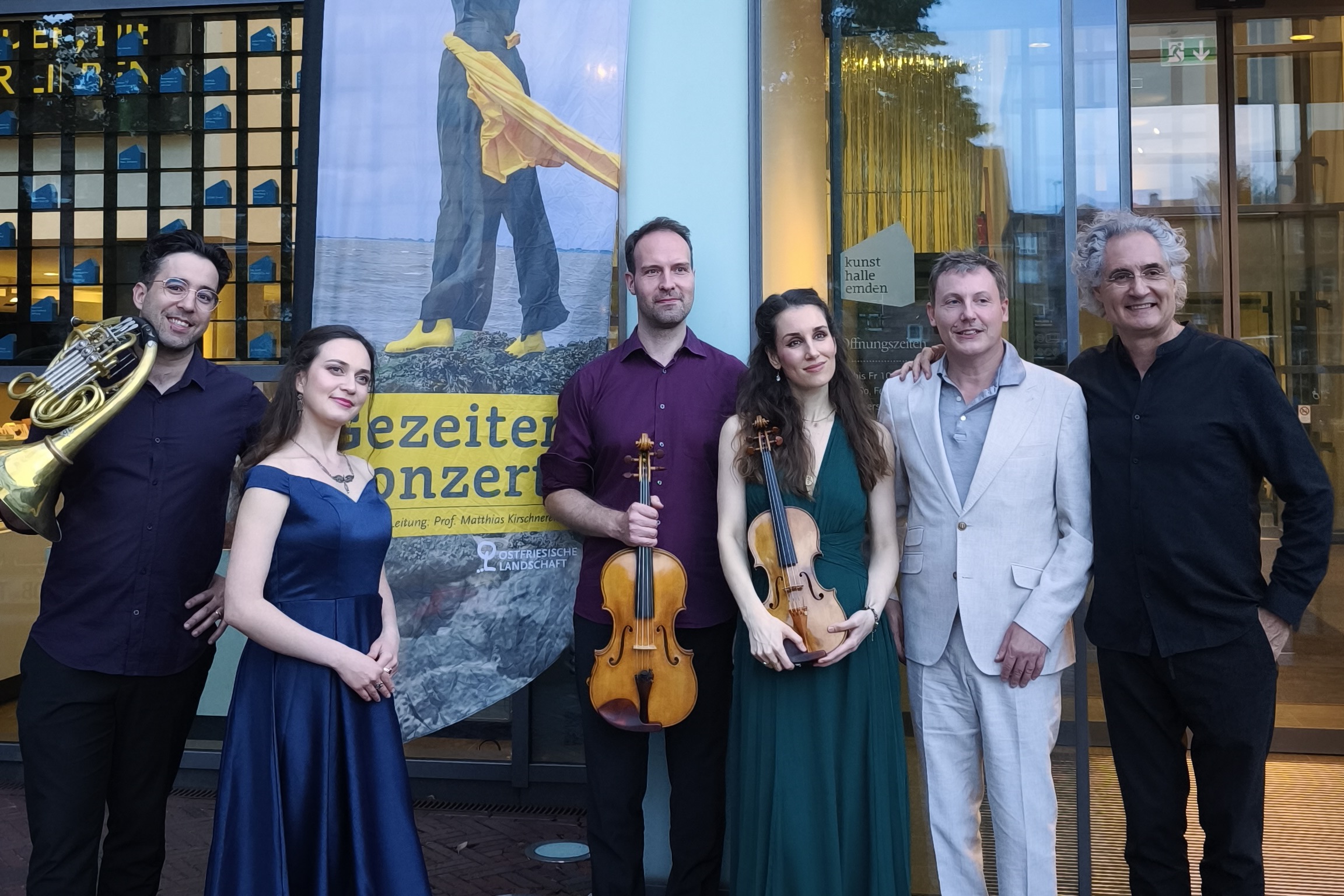
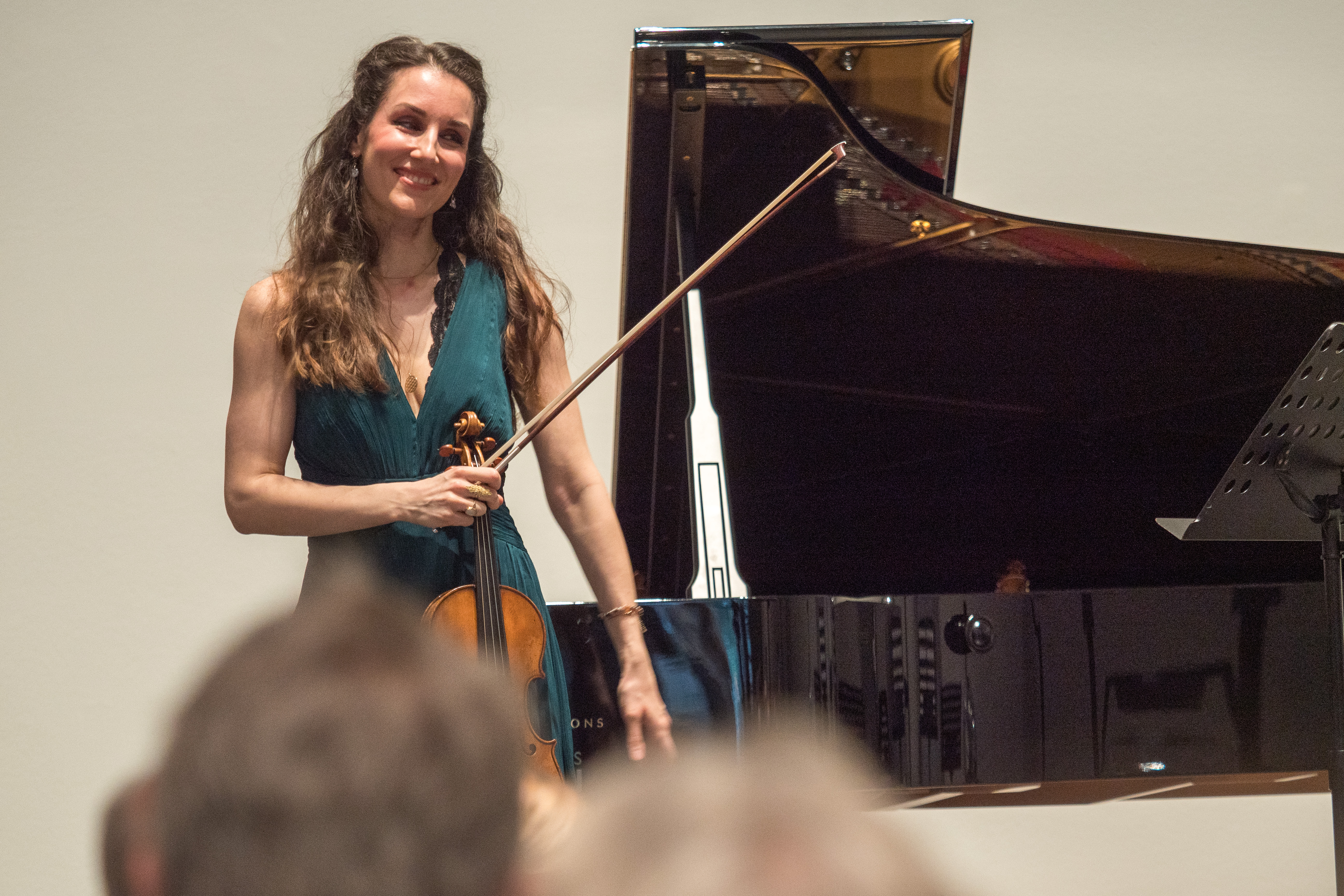
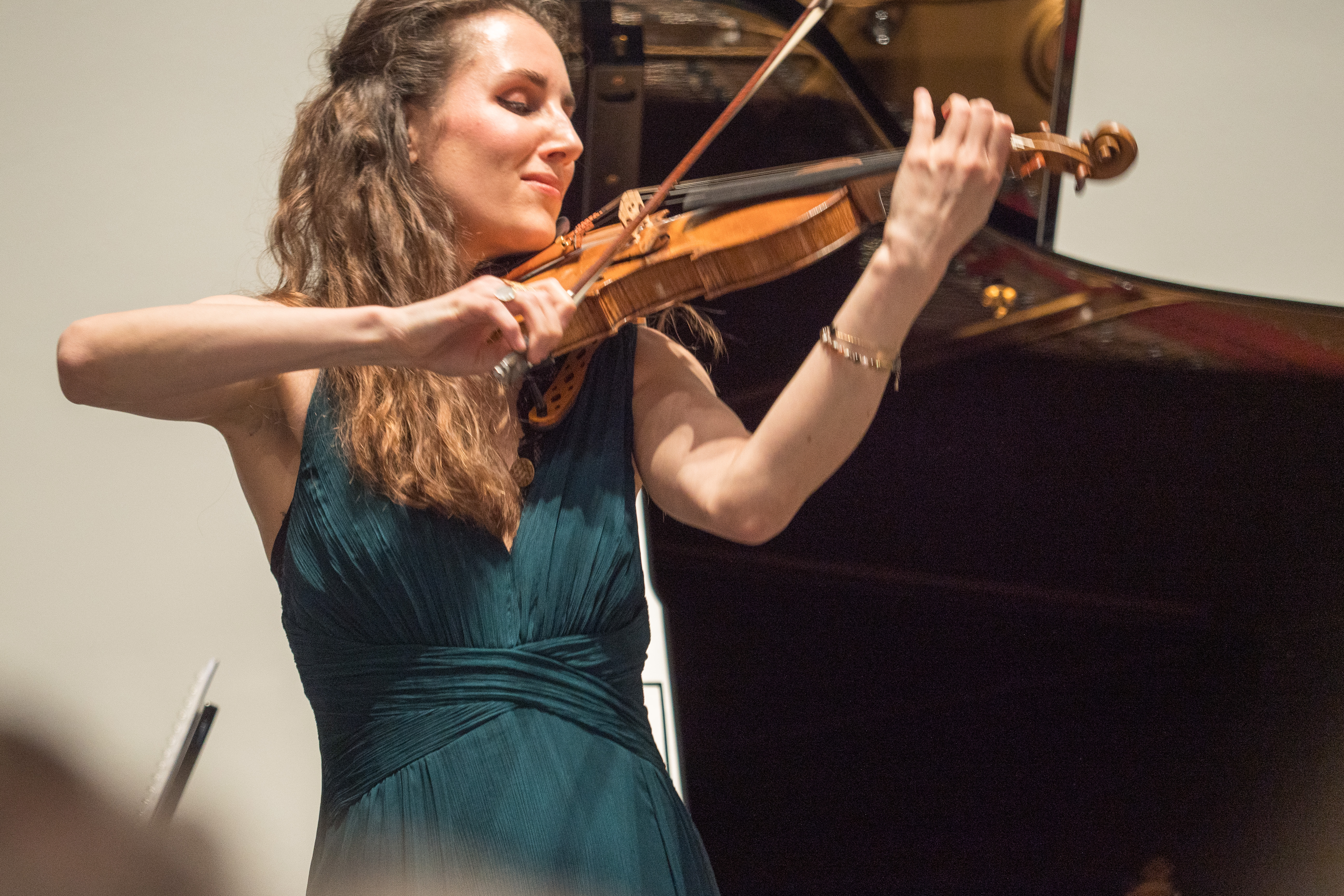
The prelude was the bagatelle “A die verlorene Zeit”, which the artistic director of the Gezeitkonzerte, Matthias Kirschnereit, interpreted with great clarity and poetic sensitivity. Already here Prandi’s tonal language revealed itself: melodic, rich in color and always supported by a great narrative power. Together with the Ukrainian-Crime-Tataric soprano Lilia-Fruz Bulhakova, the violinist Johanna Röhrig, the viola player Lucas Schwengebecher, the horn player Tomás Figueiredo and Ettore Prandi himself, a versatile chamber music evening at the highest level was created. All contributors met the demanding scores with technical sovereignty and impressive musical creative power. The premieres were opened by the “Krimtatarische Rhapsodie” for singing and viola, in which traditional melodies of Bulhakova’s homeland were processed into a moving musical confession. The soprano convinced with great expressiveness and a deeply felt authenticity, which gave the folks an immediate emotional effect.

